




Table of Content
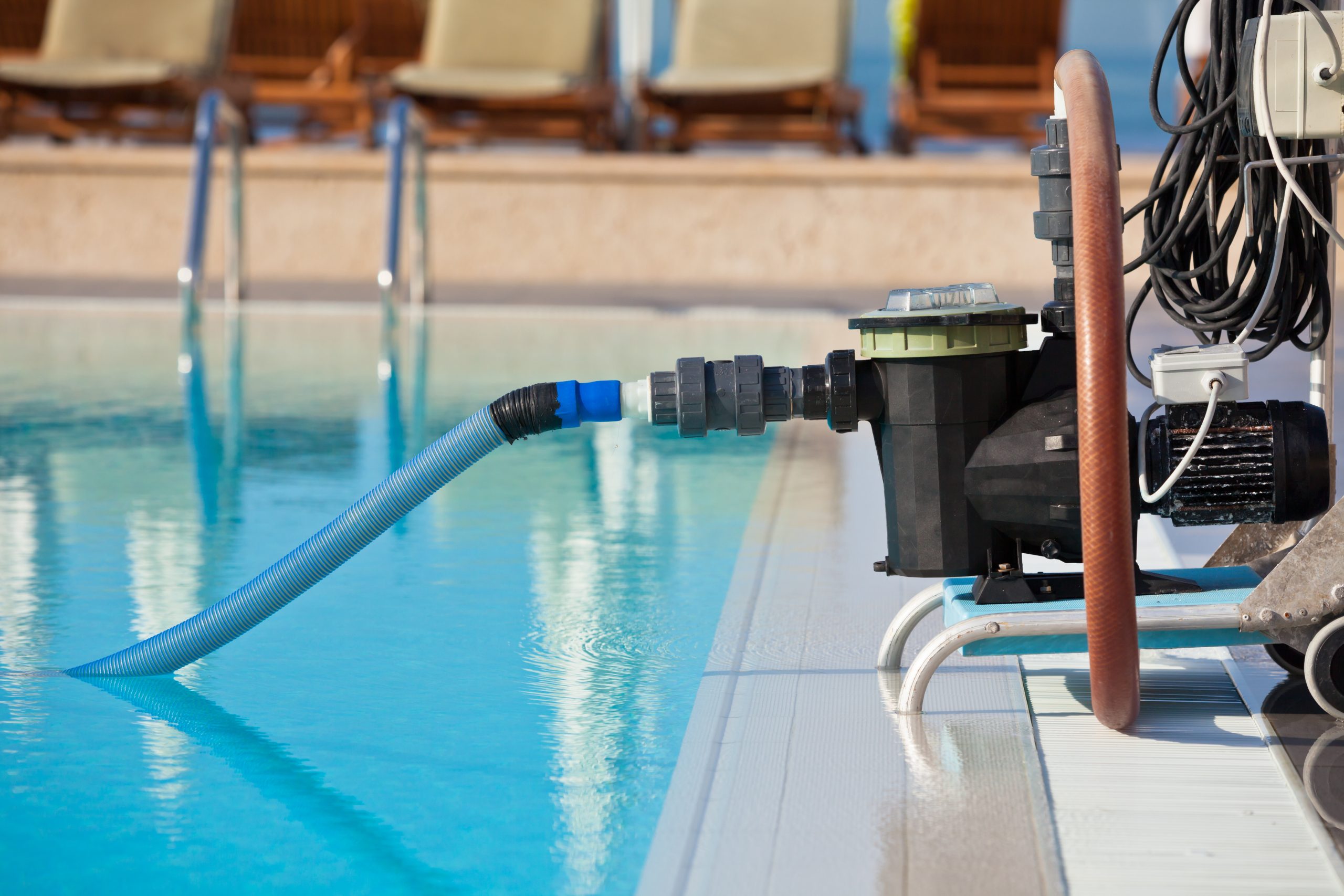
Swimming in San Diego is a year-round activity you can enjoy on most winter days. While people in other areas of the country might need to fully shut down their pools in the winter, you have the option of hopping in anytime you like. Adding a heater to your pool is one way to make swimming in the winter more enjoyable. Whether you swim daily or prefer to sit out the coldest days, you’ll want to follow these guidelines for running your pool pump in the winter.
Typically, you should run your pool pump around 6 to 8 hours a day. This tends to be enough to keep algae and bacterial growth down while helping you enjoy the highest energy savings.
Some winter days here can feel quite balmy compared to areas where people are out shoveling snow. On winter days when the temperature rises above 65 degrees, you might need to run the pump for longer. Usually, running it for around 8 to 10 hours is plenty to keep the water clear and clean.
The odds of encountering freezing temperatures in Southern California are relatively low, but San Diego pool owners should still know what to do. During extremely low temperatures, running the pool pump around the clock can prevent freezing pipes and equipment. Since this is more likely to occur overnight, making sure the water is constantly moving works like allowing the faucets to drip slightly in your house.
Setting a timer to run the pump once the temperatures begin to peak can help you maintain the water’s clarity. Or you might prefer to run the pump during the most energy-efficient times of the day. Either way, having the pump run on a timer makes this part of pool water maintenance easier. Just make sure to adjust the timer once winter hits for worry-free pumping.
Variable speed pumps have special motor controllers that adjust the speed and flow rate as needed to maintain energy-efficient water filtration. On top of enjoying winter energy savings, you can also rely on the pump to run itself with minimal monitoring. Programmable settings and smartphone controls make it possible to adjust the run time easily during winter weather surprises. You’ll also enjoy similar benefits during the summer when you may need to run the pump more often.
Turning on the pump after you add chemicals to the water allows them to disperse better. The minimal run time for the pump is one to four hours after adding chemicals. But you may need to run the pump for 8 to 24 hours after shocking it. Remember to follow the recommendations based on the type of chemicals you use to achieve the maximum benefits.
If you need advice on any aspect of pool maintenance, reach out to the experts at San Diego Pools, the pros with decades of experience. As a trusted pool builder San Diego homeowners rely on, we’re the San Diego swimming pool contractor families have trusted for more than 40 years to turn their dreams into reality. Give us a call today to learn about our high-quality services.