




Table of Content
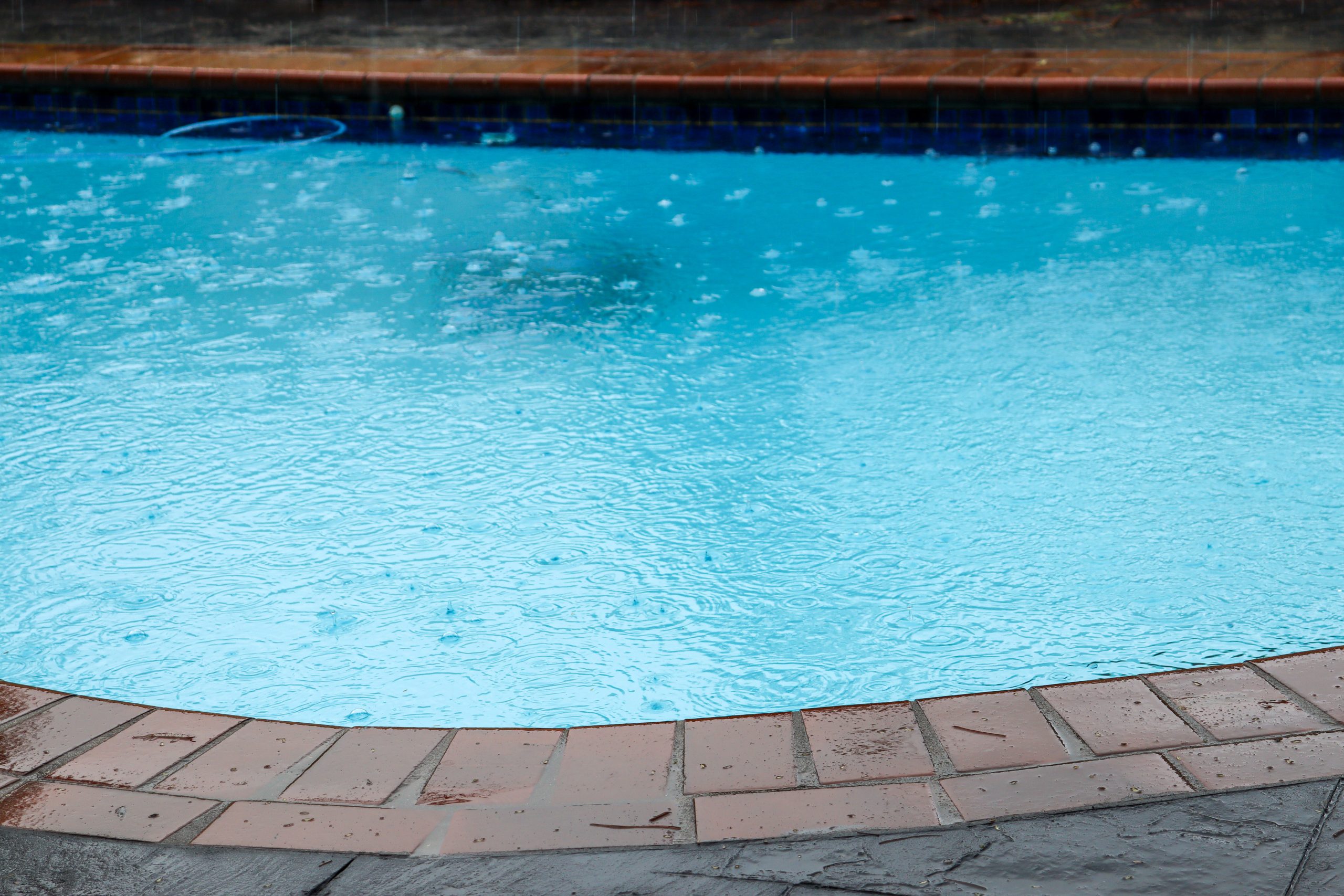
Swimming pool maintenance isn’t hard once you know what to expect. While you may already know how to prep your pool for the winter, it’s also important to consider what to do on a normal rainy day. The rain can have several effects on your pool that are easy to handle by following these simple strategies.
A brief rain shower might actually bring your pool’s water level up to normal after a period of dry weather. But heavy or lengthy rainstorms could cause the water levels to get too high. If the pool begins to overflow, it’s possible the skimmer won’t be able to work properly. Once it’s safe to do so, head outside to check the water level. Draining some of the excess water can restore the proper level for the cleaning equipment to function properly.
Similar to refilling the pool water through other methods, you might discover the water chemistry gets off-balance. Rainwater can be acidic, which has the impact of lowering the pool’s pH levels. A lot of rain can also dilute the chlorine or other sanitizing chemicals and make them less effective. Before you jump in for a swim, make sure to check the pH, chlorine, and alkalinity levels. If necessary, add the correct chemicals to maintain the right balance for safe swimming.
\The pool’s skimmer and automatic vacuum can do a lot to remove small pieces of debris that develop along the floor and float in the water. However, you can help the equipment do its job by using a skimmer net to lift leaves, twigs, and other debris off the surface of the water. If you’re planning a pool installation, asking your San Diego contractor to help you find a place that’s away from trees can reduce storm debris ending up in the water. But most people find a few errant leaves or grass in the water after a storm that needs removal.
After a major storm or several days of rainy weather, it might be necessary to go a little further with your pool maintenance. Shocking the pool is a quick way to eliminate algae and bacteria to make your pool safe for swimming again. You may need to shock the pool if the water appears to be greenish or murky. If you have a saltwater pool, the shocking process may be different than it would be for a freshwater pool, so check with a professional if you aren’t sure how to properly complete this task.
Severe storms can cause power outages that impact the electrical equipment you use to keep the water clean. When you turn on the pool pump, make sure to check to see if it’s operating correctly. This is also a great time to check on the pool lighting, speaker system, and other features you added to enhance your swimming space. If anything isn’t working properly, make sure to arrange for prompt repairs to restore the safety and functioning of your favorite swimming features.
Whether you need expert advice on maintaining your pool or you’re looking for trusted pool contractors San Diego homeowners rely on to design a backyard oasis, reach out to the team at San Diego Pools. We’ve been designing and building pools for almost half a century, and we pride ourselves on our innovation and outstanding craftsmanship. To learn how to maintain your existing pool or get started on a new one, give us a call today.