




Table of Content
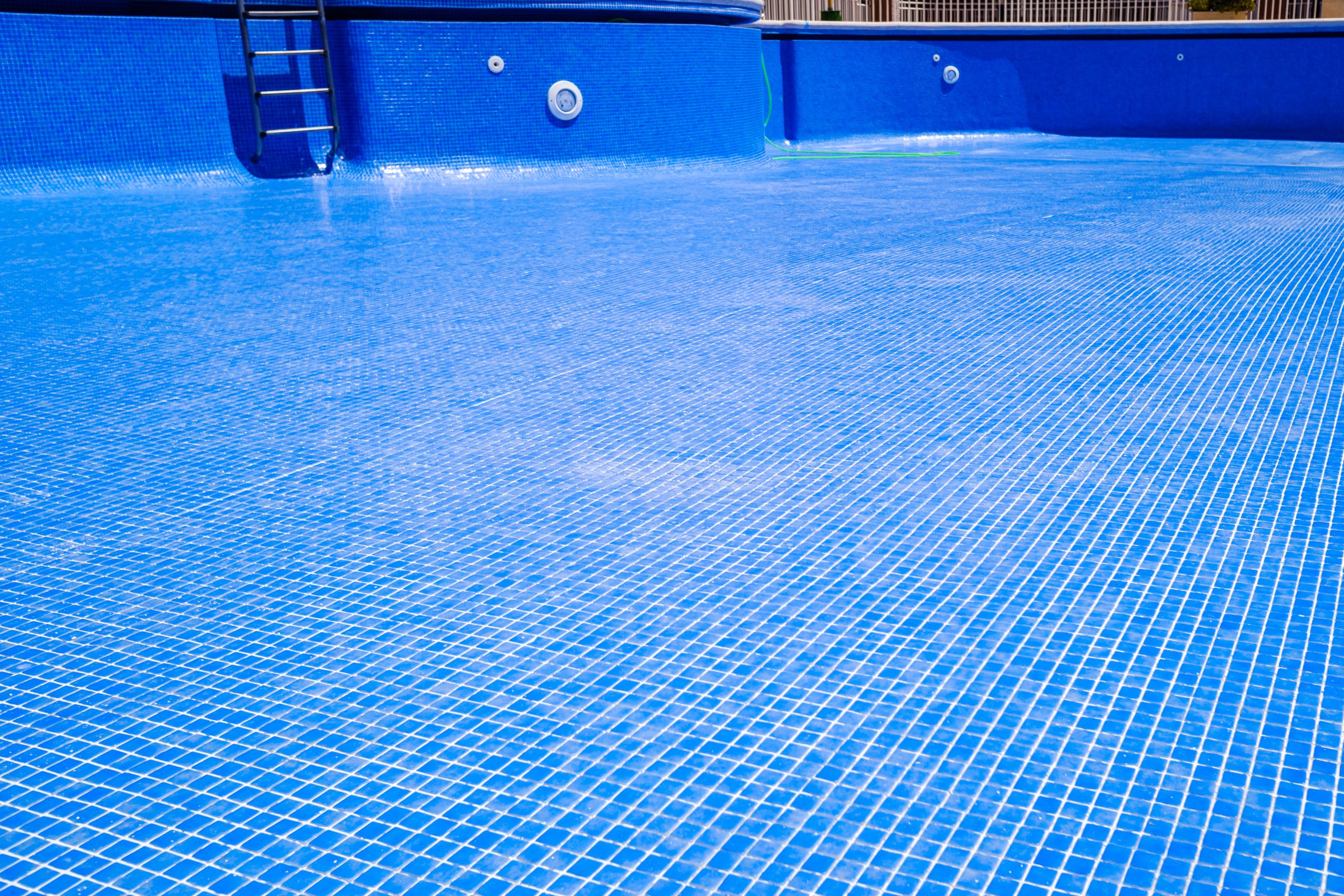
The purpose of a pool’s slope is to have one end that’s shallow and one that’s deeper so swimmers of varying skill levels can safely enjoy the pool. Typically, there should be a 1-foot drop-off for every 3 feet of pool length. However, your pool’s slope shouldn’t go beyond this level of drop-off. This is what’s generally considered normal for a pool slope. Below, we go over what to keep in mind as you determine what’s appropriate for your pool.
As you determine the appropriate slope for your San Diego pool, consider the difference between your pool’s length and height. You’ll need to know this information because the slope of a pool is the angle between its floor and the horizontal plane. Get the correct measurements by:
• Measuring the depth at each end of your pool
• Measuring your pool’s length
• Dividing the difference in depth between the two ends of the pool by the pool’s length
The results give you the tangent of the slope. You might want to use a scientific calculator for this one. Wrap things up by calculating the inverse tangent. You’ll get a figure in degrees, and this is what the slope should be for your pool.
If you’ll have younger children swimming in your backyard pool, it’s important to make sure the shallow end of your pool is actually shallow enough to be safe for them. It’s also easier to run a pool vacuum if the slope is more natural and in line with what’s appropriate for your pool. Otherwise, it might have some difficulty getting around certain areas of your pool. Plus, if you don’t get the slope right for your pool, you may also end up with a deep end that’s not safe for diving. Jumping into a deeper end of the pool that’s too deep (or not deep enough) can be risky—and a bit more painful than a belly-flop.
The shape of your pool also determines the slope that’s most appropriate for it. The calculation guidelines we listed above are for a standard rectangular or square-shaped pool. However, the basic process is the same if you’ll need to calculate the slope for a pool that’s a different shape. For instance, if you have an L-shaped pool, the depths can vary. For example, you could have a shallow portion in the shorter part of the L and make the longer part of it deeper for lap swimming if you prefer.
If all these calculations are a bit confusing—which is certainly understandable—an experienced pool builder can always help you out. It’s also a good idea to work with a trusted local pool contractor, especially if you have plans for a pool with a more unique shape, such as the L shape mentioned above. This way, you’ll know for sure you’re getting a pool with an appropriate slope.
No matter which slope you prefer, make sure to have your pool constructed by experienced professionals. From unique pool construction to custom gunite pool design, San Diego Pools can satisfy your every need. Give us a call today at (888) 737-6657, and we’ll get started on designing the pool you’ve always dreamed of.